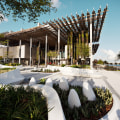
When people think about managing an art gallery in Miami, Florida, they often focus on curating exhibitions, maintaining climate-controlled environments, and attracting visitors. However, a less discussed aspect of gallery management is the growing emphasis on water damage prevention and restoration planning. Miami’s coastal location, seasonal storms, high humidity levels, and occasional flooding events create unique challenges for galleries responsible for protecting valuable artwork and historical collections. While security systems and insurance policies remain essential, many gallery owners are realizing that water-related risks can be just as significant as theft or vandalism. As a result, water damage restoration is increasingly becoming part of long-term operational strategies designed to preserve both collections and facilities.
The Vulnerability of Art Collections to Moisture
Artwork can be highly sensitive to moisture exposure. Paintings, photographs, textiles, sculptures, archival documents, and mixed-media installations may suffer permanent damage when exposed to water or excessive humidity. Even small leaks that go unnoticed for extended periods can lead to discoloration, warping, mold growth, and structural deterioration. In gallery settings where individual pieces may represent substantial financial and cultural value, the consequences of water intrusion can be severe. Because of these risks, gallery managers are expanding their maintenance programs to include routine inspections of roofs, plumbing systems, drainage infrastructure, and environmental controls. Preventive measures are no longer viewed as optional expenses but as critical investments in preserving collections for future generations.
Climate Challenges in Miami
Miami's environmental conditions make water management particularly important. Tropical storms, hurricanes, heavy rainfall events, and elevated groundwater levels can all contribute to water-related emergencies. Even galleries located outside flood-prone zones may experience issues caused by roof damage, plumbing failures, or moisture infiltration during severe weather. The increasing frequency of extreme weather events has encouraged gallery operators to adopt more proactive approaches to facility management. Emergency response plans now often include procedures for relocating artwork, protecting storage areas, and coordinating restoration efforts if water damage occurs. These preparations help minimize disruption and reduce the likelihood of long-term losses following unexpected incidents.
Restoration as a Preservation Strategy
An important shift occurring within the gallery industry is the recognition that restoration planning should be integrated into broader preservation efforts. Rather than waiting for an emergency to occur, many galleries establish relationships with restoration professionals before problems arise. This allows for faster response times and more effective mitigation when incidents happen. Companies such as FL Cleanup are part of a growing network of service providers that help property managers and cultural institutions address water-related challenges efficiently. Having access to specialized expertise can make a significant difference when protecting delicate materials and restoring gallery spaces after water exposure.
Long-Term Benefits for Gallery Operations
Incorporating water damage restoration into long-term gallery management offers benefits that extend beyond protecting artwork. Effective moisture control helps maintain healthier indoor environments, preserves building infrastructure, reduces maintenance costs, and supports business continuity. Galleries that prioritize water risk management are often better prepared to navigate unexpected events while maintaining visitor confidence and operational stability. As Miami continues to grow and adapt to changing environmental conditions, gallery owners are increasingly viewing water damage restoration not simply as an emergency service but as a key component of responsible collection stewardship. This evolving perspective reflects a broader understanding that preserving art requires attention not only to what hangs on the walls but also to the environmental factors that can threaten it over time.